
Chinese Wine, Part One: Puchang in Turpan
Wine Curator
WSET Diploma · Vivino Top 50 reviewer, Australia
Published · Last reviewed
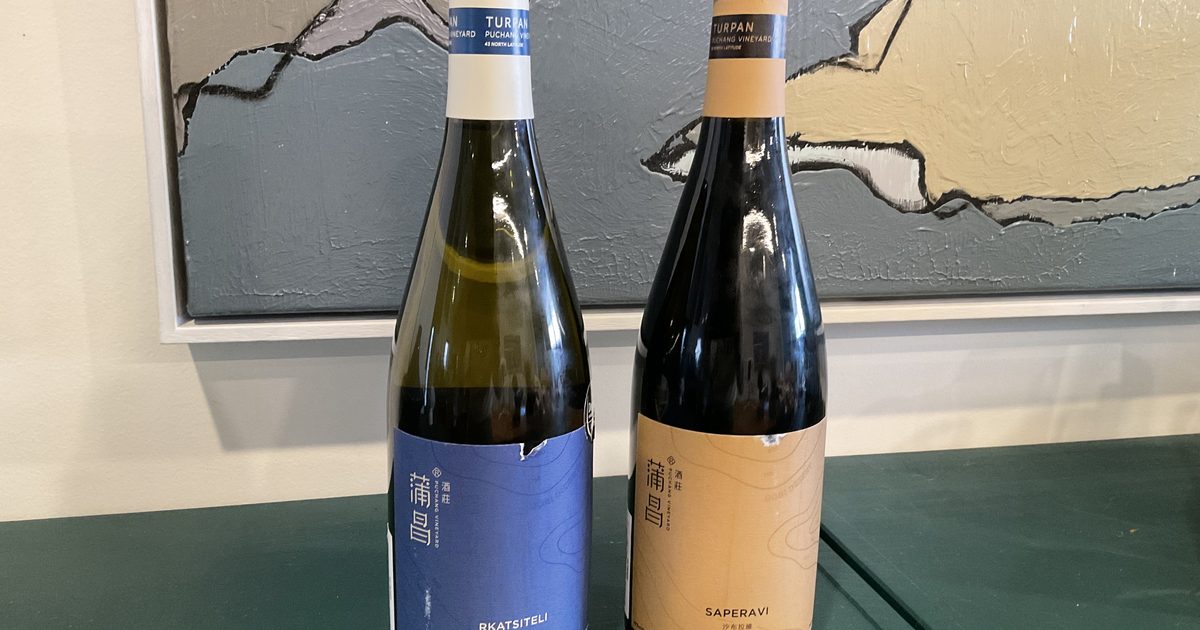
I bought these two bottles from Puchang Vineyard in Hong Kong before COVID, for about $50 each. The plan was to open them at a tasting of Chinese wine, and that tasting never happened. Two years ago, when I looked for more bottles to go with them, I could not find any Chinese wine for sale in Australia. Even in Hong Kong there was very little choice.
That is changing. While I was researching this post, I found Chinese wines listed by several Australian retailers, and I have started to see them offered in bars and restaurants here. Of the Chinese wines I have tasted, the ones sold here start at $29 for the Xige Estate Jade Dove White. The Silver Heights Family Red is $92, and three retailers sell the same estate's Summit 2021 for $115 to $126. On those numbers, Chinese wine is not cheap here, and what I paid for the Puchang bottles in Hong Kong would sit in the lower half of that range.
So I opened them at home instead. The question was simple. Do two bottles picked almost at random hold their ground, and do they make a case for China as a wine country worth seeking out? This is the first of a few posts on Chinese wine.
Puchang, in Turpan
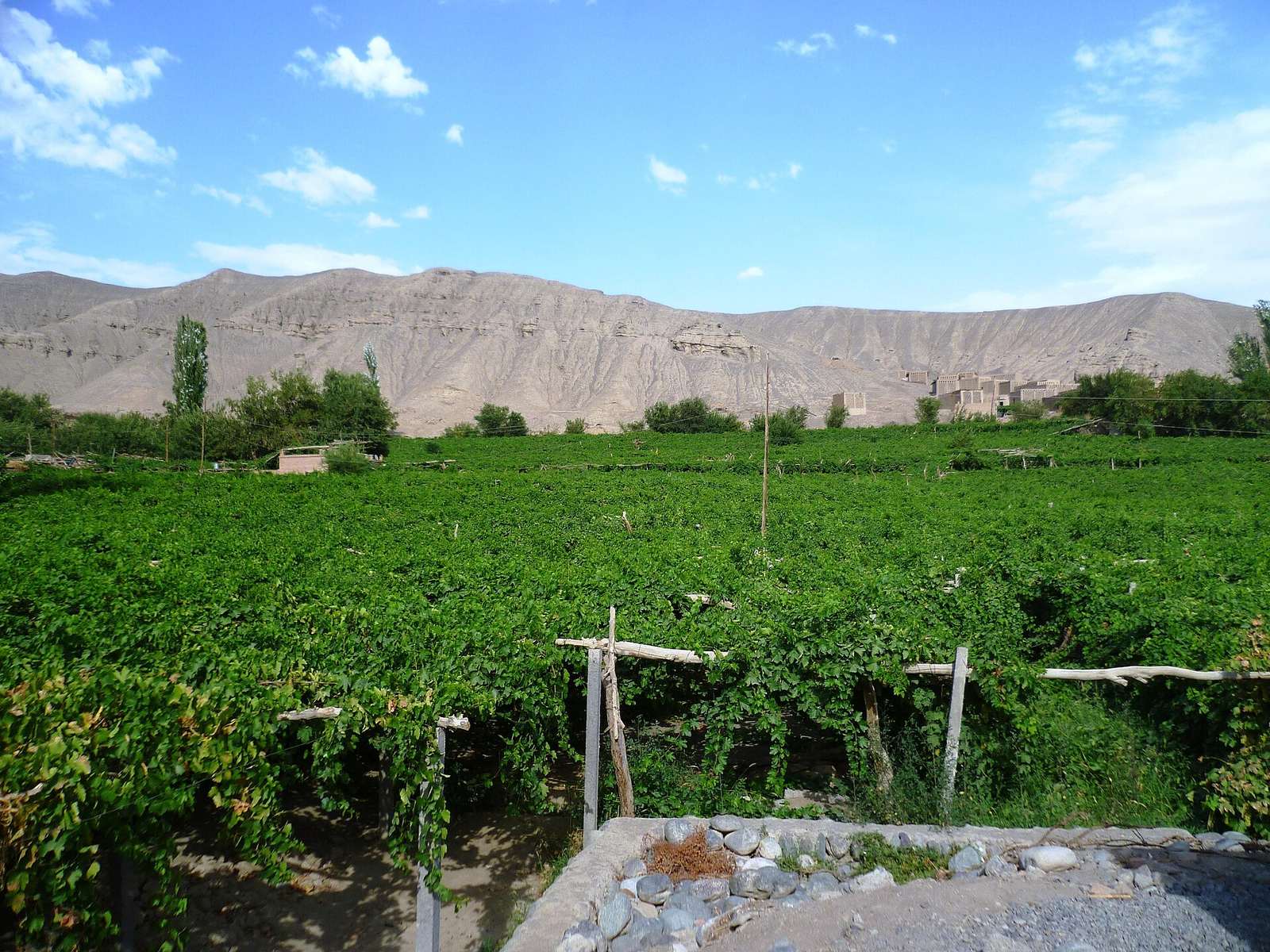
Puchang Vineyard is in the Turpan Valley in Xinjiang, in the far north-west of China. The Oxford Companion to Wine says that Xinjiang may produce the biggest volume of wine in China, but that most of it is sold in bulk to wineries in eastern regions. Puchang makes and bottles its own wine in Turpan. The back label places the vineyard at the border of the Gobi Desert, with the vines watered by snow melt from the Tian Shan mountains, and the neck label gives its latitude as 43 degrees north. Bordeaux sits at about 45 degrees north. The two regions share a line on the map, but their climates are opposites: one is a desert basin a long way from any sea, and the other sits on the Atlantic coast.

The first vines on the site were planted in 1975. The Hong Kong businessman K.K. Cheung bought the estate in 2008, and the vineyards have been certified organic by ECOCERT since 2013. According to the back label, a team of French and Italian winemakers makes the wine from vines more than thirty years old.
Why Georgian grapes?
Both wines are made from Georgian grapes, which can seem surprising in China. The Oxford Companion to Wine explains how they got there.
During the 1950s and 1960s, the communist regime ensured that most imported varieties were from the Soviet bloc in Eastern Europe. Varieties such as rkatsiteli and saperavi are still found in vineyards today.
Rkatsiteli was the most widely planted grape in the Soviet Union, and by 1978 it accounted for 18% of all Soviet wine. In China it goes by the name Baiyu, and the Chinese characters on the front of the Puchang bottle, 白羽, are that name.
The Rkatsiteli 2019
Rkatsiteli 2019
It is dry, with high acidity and a fairly light body. I found lemon, mandarin, green apple, pear and a saline edge. The wine has a lot of personality and a lot of tension all the way through, although at 14% the alcohol burns a little. I scored it 3.9.
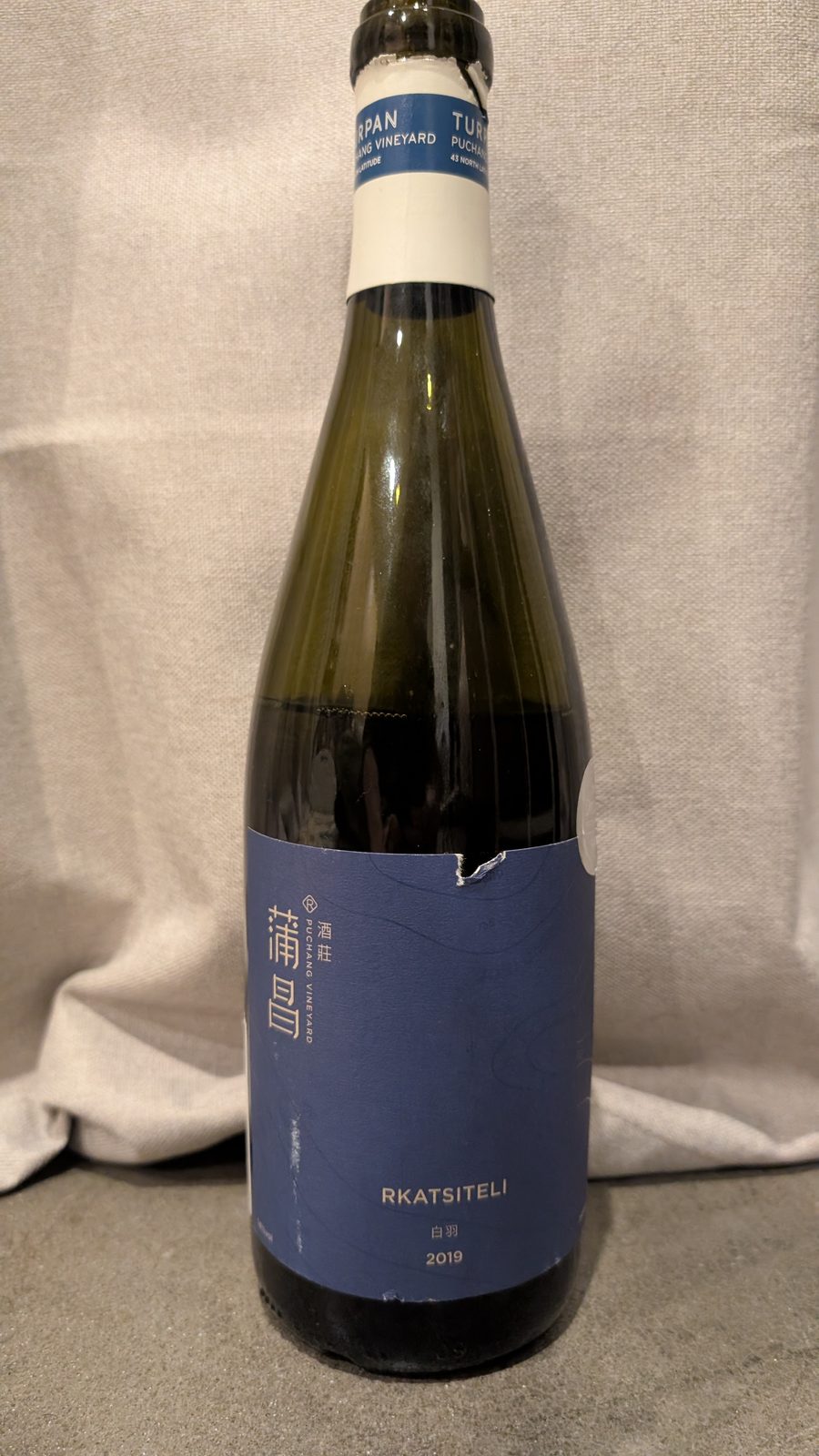
Puchang blends its Rkatsiteli with Welschriesling. The Decanter World Wine Awards list this vintage as 65% Rkatsiteli and 35% Welschriesling, and gave it a silver medal in 2022.
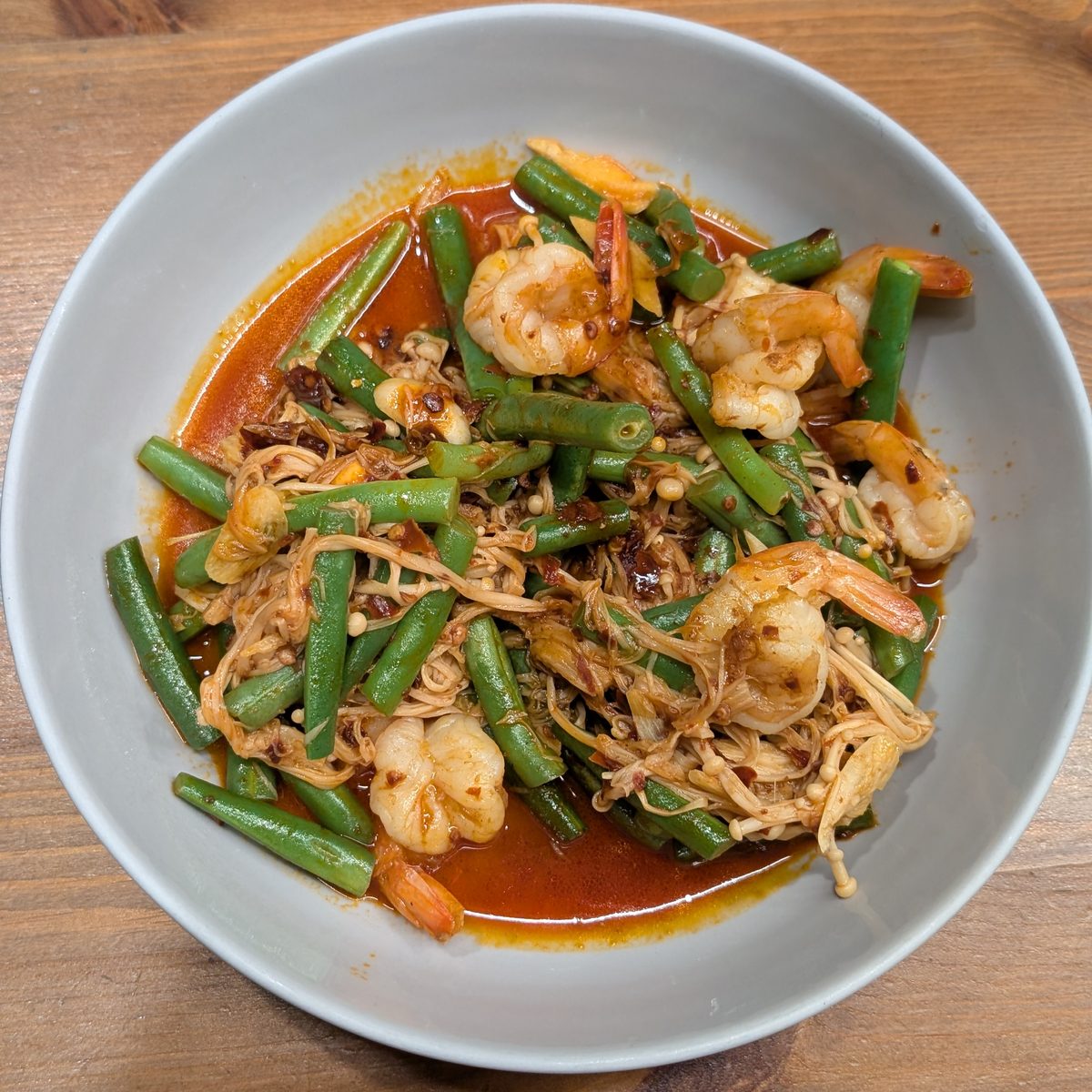
With chilli prawns
The chilli did not kill the wine. Its salinity connected with the dish, some caramel appeared in the glass, and the tension held all the way through.
Steamed fish was an easier match. It brought out some sweetness in the wine and smoothed the tension.
The Saperavi 2016
Saperavi 2016
It is dry, with medium acidity, medium body and a fairly long finish, and the tannins are soft and well integrated. I found raspberry, sour cherry, cranberry and pomegranate, then blueberry, blackberry, cedar and something meaty. A very light sourness in the fruit drives the whole wine. It felt very unique and very special, and I scored it 4.3.
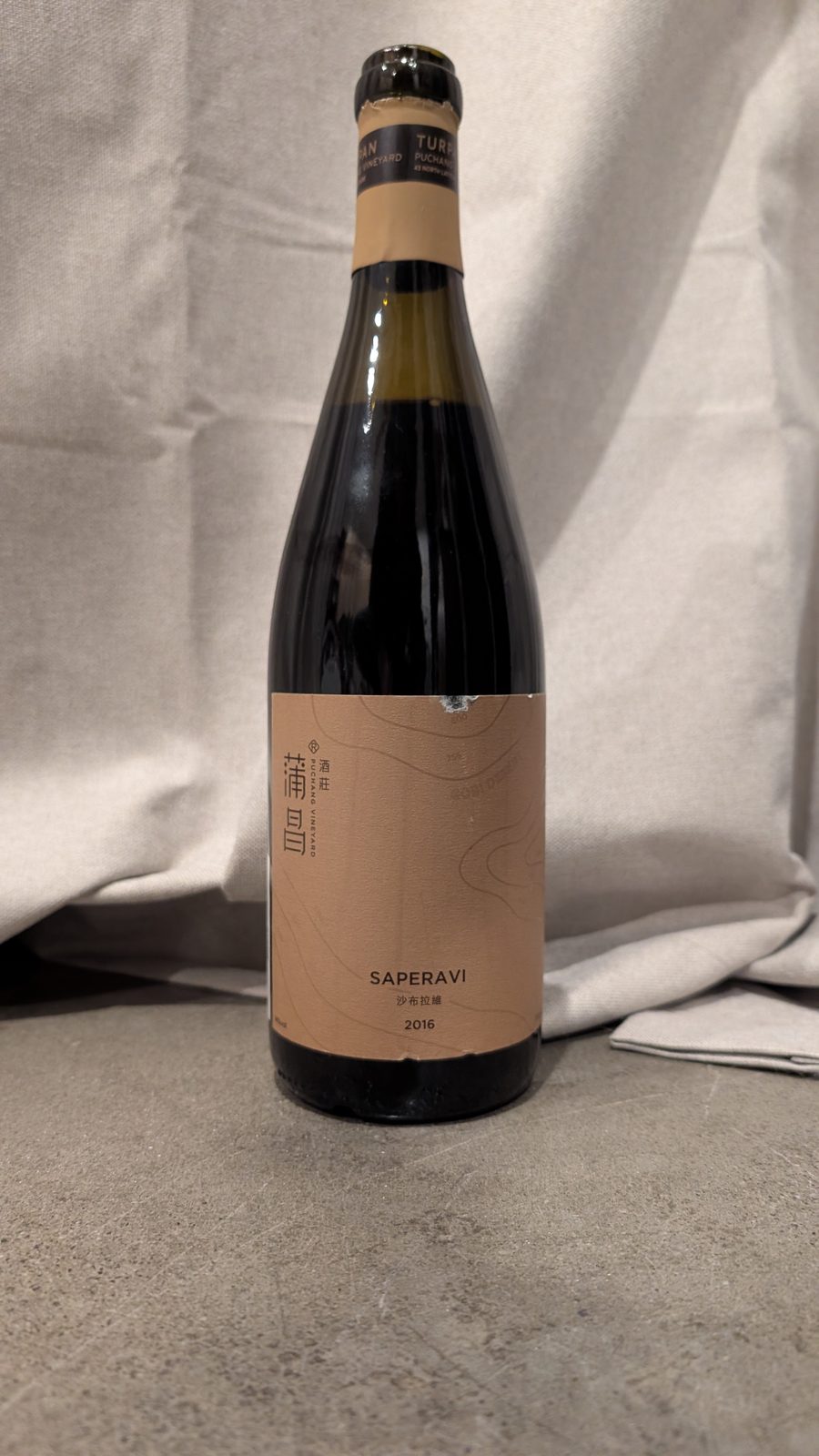
That is a high score from me, and I suspect the ten years in the bottle did a lot of the work. Decanter's judges gave this wine a silver medal in 2020, when it was four years old. Saperavi has red flesh as well as red skin, and it has a reputation for needing time. Oz Clarke put it this way in 2001.
It produces wines high in tannin, colour and acidity, which need time in bottle to soften to any degree of friendliness.
At ten years old, the tannins in this one had softened. Clarke goes further, and describes 20- to 30-year-old examples that had "the style and perfume of a distinguished old Pauillac". My bottle is not there yet. It has the cedar, the savoury side and the settled tannins, but its fruit is still young and sharp, so I read it as a wine partway along that road.
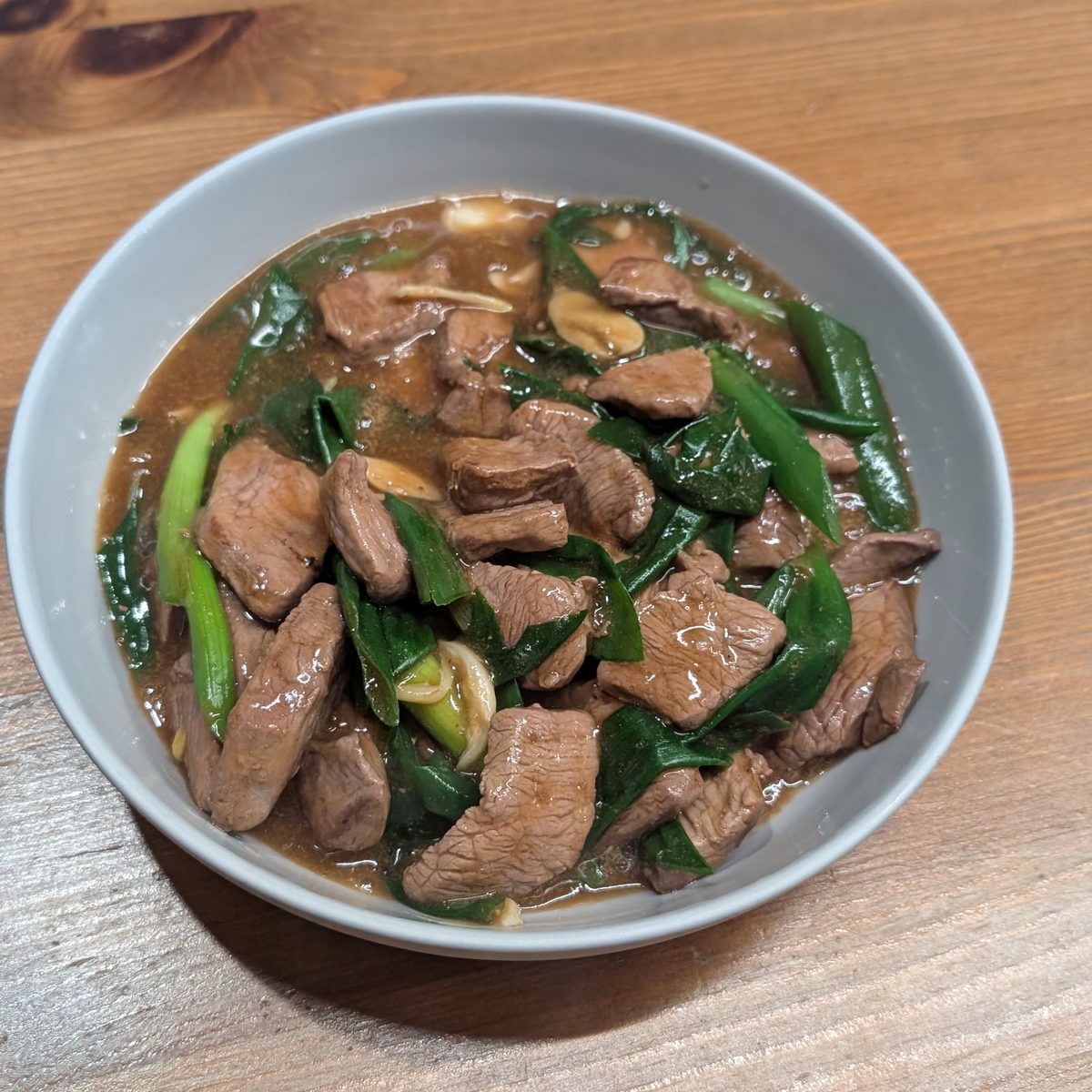
With venison
The venison brought out the freshness in the wine. With the dish, it felt younger than it did on its own.
Do they hold their ground?
They do. Both are wines I would buy again and drink with pleasure, and the red especially, with its extra age. Saperavi asks for that time in the bottle, and to my palate this one had developed into something quite unique.
Two bottles cannot settle whether China is a wine country worth seeking out. They were enough to make me want to taste more, and the next posts in this series will do that, starting with Ningxia.
Puchang's wines are not on this site yet, but the Xige and Silver Heights wines above are. If you want to know which wines would suit your palate, my 60-second quiz works it out from what you already drink and matches you to bottles I have tasted myself.
Not sure where to start? The quiz matches wines to your taste.