
Reading the Weather at Kumeu River
Wine Curator
WSET Diploma · Vivino Top 50 reviewer, Australia
Published · Last reviewed
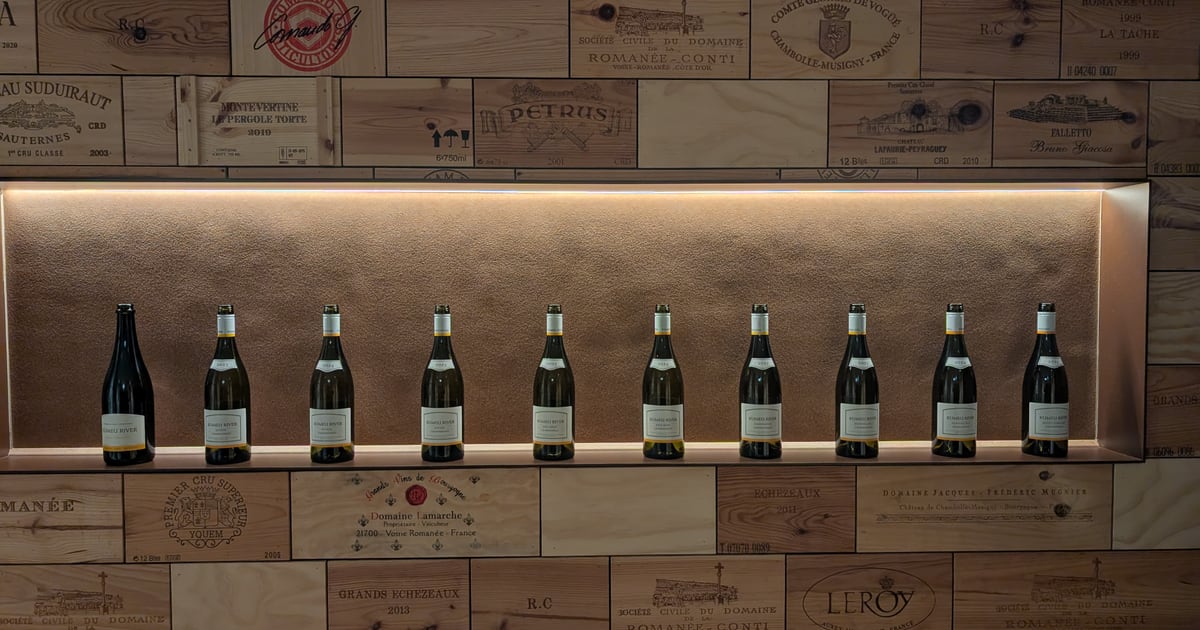
Kumeu River brought ten wines to MW Wines in Collingwood on a Tuesday evening in August. Nine of them were Chardonnay, and one of those appeared three times, in three consecutive vintages.
Those three are what lifted the evening above a good night out. The Estate Chardonnay 2025, 2024 and 2023 were made by the same person, from the same vines, in the same way, so whatever separates them is the weather. You almost never get to taste that as cleanly as this.
The rest of the range filled in around that bracket. Rays Road appeared twice and Hunting Hill twice, while Coddington and Maté's Vineyard came once each, and we started on a Crémant. The winery had come to show the new 2025s, so the vertical depth in a couple of the brackets was a bonus rather than the purpose.
New Zealand's first Master of Wine
Kumeu River sits about half an hour northwest of Auckland. Mick and Kate Brajkovich arrived from Živogošće on the Dalmatian coast, worked the northland gum fields, and bought a vineyard at Kumeu in 1944. Their son Maté turned the family towards serious dry table wine, and his son Michael sat the Master of Wine exam in 1989 and became the first New Zealander to pass it. He had graduated dux of Roseworthy and spent the 1983 vintage with Jean-Pierre Moueix in Libourne before that. Michael put the country's Chardonnay on the map and pushed screwcaps when that was still a strange thing to do, and in 2024 the Institute of Masters of Wine named him Winemakers' Winemaker, which is an award other winemakers vote on.
In 2015 the London merchant Farr Vintners put four Kumeu River Chardonnays blind against premier cru and village white Burgundy of the same vintages, from Leflaive, Lafon, Sauzet and Niellon, in front of a panel that included Jancis Robinson. Kumeu River took first place in three of the four flights and shared it in the fourth. The wall behind the bottles at MW Wines is clad in the ends of wine crates: Romanée-Conti, Pétrus, Yquem, Leroy. A merchant with that on the walls gave an entire evening over to a New Zealand Chardonnay, which tells you something about how the trade rates them.
A long table
The wines were served at one long table, with a printed placemat at each seat naming what sat in each bracket. It cost seventy-five dollars a head, twenty of which came back as credit against anything you bought on the night. There was cheese, salami and bread to pick at, and conversation with whoever you were sitting beside, which grew steadily louder as the evening went on.
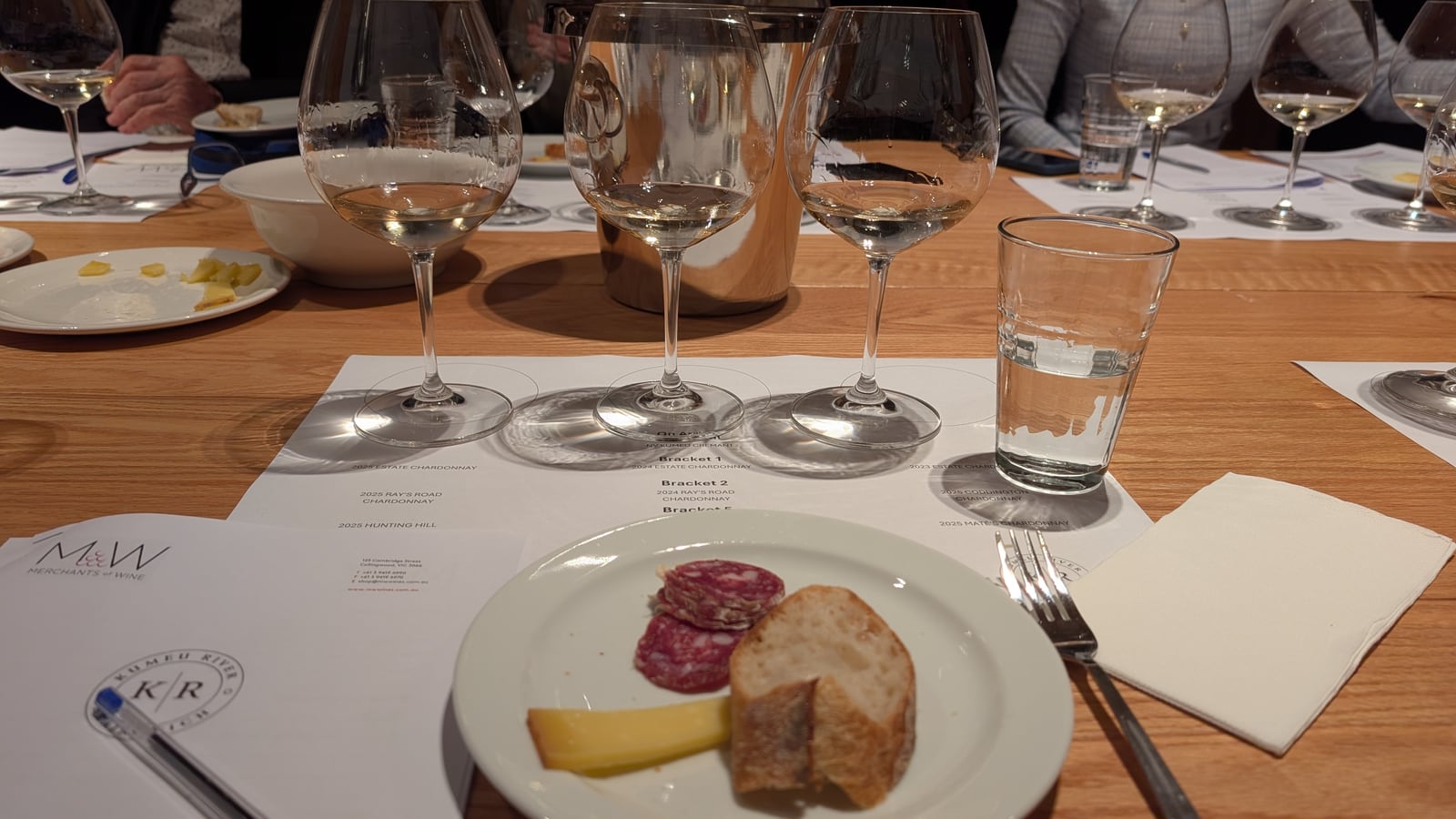
The evening was billed as presented by Marijana and Paul Brajkovich. In the event the MW staff poured and Paul did the talking, and that talking is the whole reason a tasting like this beats buying the same bottles and opening them at home.
We began on the non-vintage Crémant, and it is a properly good sparkling wine. What struck me was how lightly it was sold to us. The bubbles were plainly not what anybody had come for, which is fair enough, but the wine deserved rather better than that.
It is worth having the price ladder in front of you before the wines start. These are MW's retail prices for the wines that were poured.
- Crémant NV, $63
- Estate Chardonnay, $54
- Rays Road Chardonnay 2025, $55
- Rays Road Chardonnay 2024, $59
- Coddington Chardonnay, $99
- Hunting Hill Chardonnay, $119
- Maté's Vineyard Chardonnay, $139
Flight one: the same wine, three times
The first bracket was the Estate Chardonnay in 2025, 2024 and 2023.
The 2025 was lean to the point of severity. The 2024 stood well apart from the other two, far more powerful and concentrated, and closer to a New World reading of the variety than anything else on the table. The 2023 was extremely delicate.
Paul then told us why, and that explanation is precisely what you cannot get from a bottle at home. In 2023 a twelve-hour deluge arrived four weeks before harvest and brought flash flooding with it, and the vines had effectively lost their leaves by the time the fruit came in. In 2024, ten days of cold and wet weather during flowering cut the crop by forty per cent.
The weight in that 2024 is therefore not a decision anybody made. There were simply fewer bunches on each vine, with the same amount of plant standing behind every one of them. The fragility of the 2023 is a vine that lost its leaves before it had finished the work.
The man beside me had been buying these wines for more than a decade and had the back vintages to prove it. His view was that the Estate bottlings all drift towards the shape of that 2024 once they have had a few years in bottle. If he is right, the 2024 is not the outlier at all. It is showing early what the others will look like given time.
All three were delicious, and all three carried the same deliberate steely line. I had the 2023 ahead on delicacy for the first ten minutes, but as the glasses opened the 2024 came past it and stayed there.
One thing is worth holding on to. The 2025s had only just been bottled, and a wine that has been in glass a matter of months has not settled into itself yet. The Estate 2025 was showing discreet rather than closed, and it deserves to be met again in a year.
That is also a caveat on the whole exercise. Line up three vintages and you are not purely tasting three growing seasons. You are tasting six months in bottle against three years, and some of what reads as vintage character is just time.
Flight two: somewhere else entirely
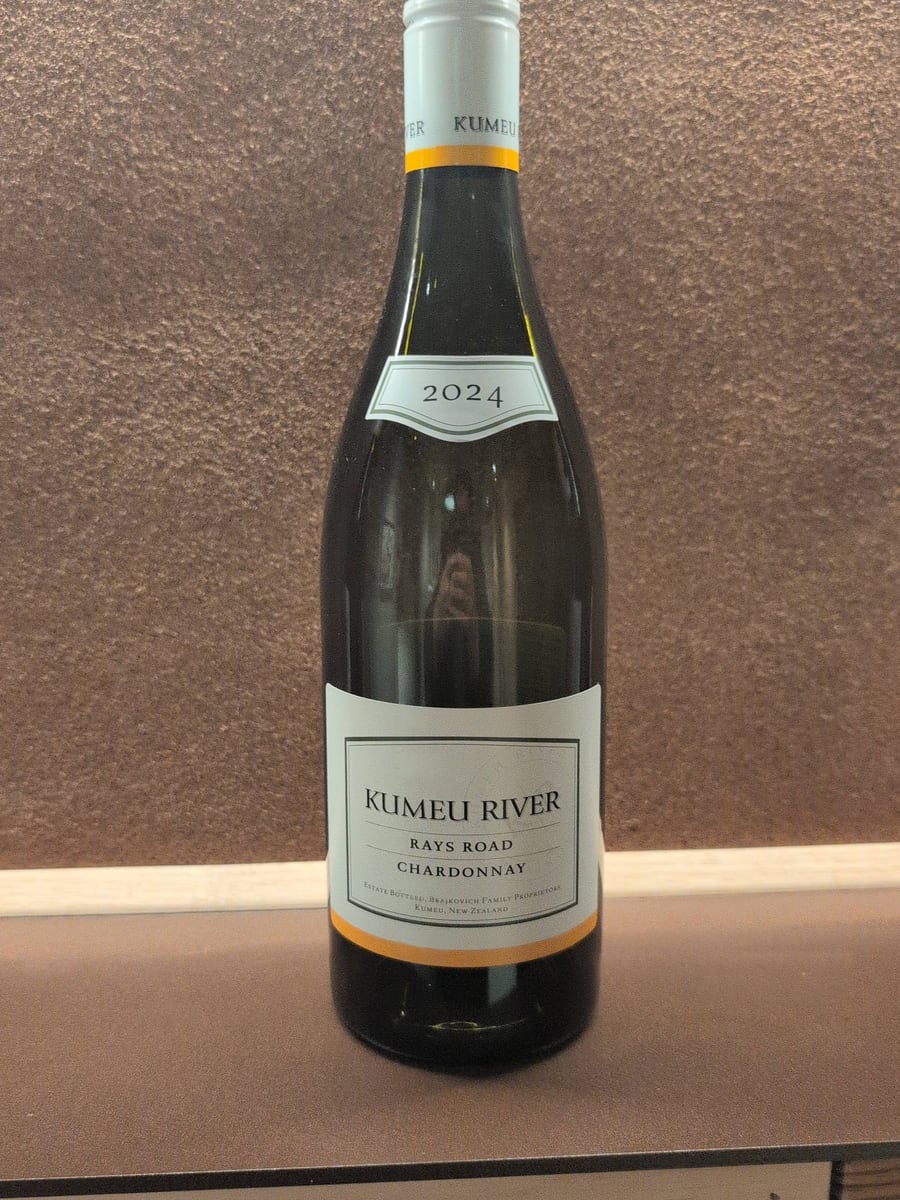
The second bracket moved to Rays Road in 2025 and 2024, and then to the Coddington 2025.
Rays Road is the geographical outlier, a limestone site in Hawke's Bay that the family bought in 2017, a long way south of Kumeu. Both vintages were lean in the house manner, but they carried a far more expressive aromatic register than the Estate wines had, and the 2024 in particular turned up flavours I was not expecting.
The Coddington changed the subject entirely. It was bigger, broader and more overtly generous, and after five taut and precise wines it arrived like someone talking loudly in a library. It is beautifully made, but it was not what the evening had trained me to expect. It also costs a great deal more: $99, against $55 for the 2025 Rays Road and $59 for the 2024, both within a few dollars of the $54 Estate.
Rays Road Chardonnay 2024
This was my pick of the bracket, and the best value of anything poured all night. It is lean in the house manner, and it carries a complexity on the palate that the price does not prepare you for.
Flight three: the big guns
The last bracket brought out Hunting Hill in 2025 and 2024, alongside Maté's Vineyard 2025.
The 2024 Hunting Hill was the one wine of the night I could not quite settle with. It felt square, somehow at odds with its own soft approach, and I mean that as a description rather than a complaint. It was the most interesting thing in the bracket to think about.
Maté's is the flagship at $139, against $119 for the Hunting Hill, and it will almost certainly outlast everything else that was on the table. It is floral and faintly creamy, with real depth behind it.
Hunting Hill Chardonnay 2025
This was the wine that took me. It is delicate and soft, and it is layered in a way the sheer scale of Maté's is not. It drinks beautifully now rather than promising to later.
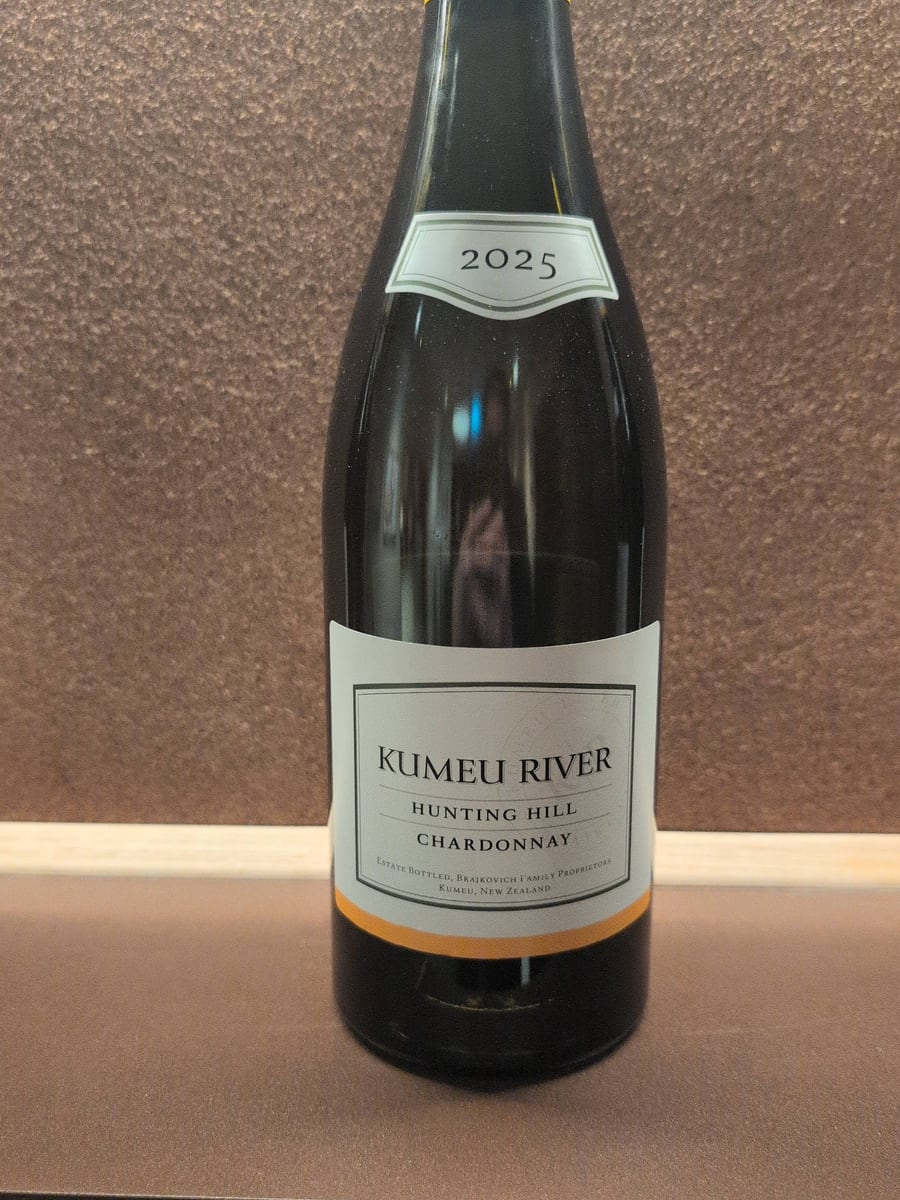
I am not the first to land on that vineyard. At the 2015 Farr Vintners tasting it was the Hunting Hill 2007 that finished highest of everything in the room, ahead of the Maté's and ahead of the Burgundies. That is a different wine by eighteen vintages, off the same patch of dirt. I did not know that on the night.
That is the argument for a vertical, and it is also the catch. It only works because this producer is consistent enough to disappear behind the wine. Line up three years from someone still finding their style and all you learn is what they were experimenting with that season.
What I left with
I left with two bottles. I took the Rays Road 2024 because it was the best value of the night, and the Hunting Hill 2025 because it was the wine I most wanted to drink. I have little doubt that Maté's will be the better bottle in ten years, but that was not the question I was answering.
Every wine poured justified its price, which is not something I write often. There is a great deal of care in that range, and none of it is showy.
I already had Maté's Vineyard in my notes from last year, and it is the reason I went. If you want to know whether this style would suit you, my 60-second quiz works out your palate from what you already drink and matches you to bottles I have tasted myself.
Not sure where to start? The quiz matches wines to your taste.